
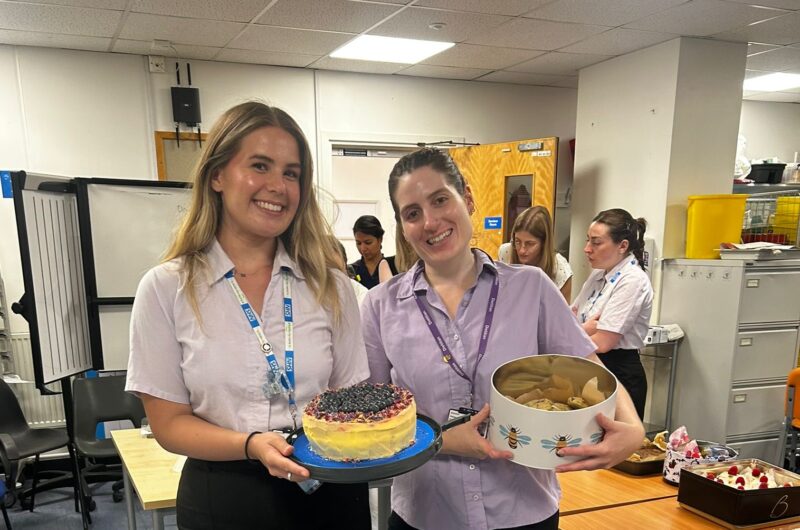
Fundraise for us and help CGHP continue to facilitate safe, ethical and effective healthcare partnerships. With your help we can continue to develop and strengthen our existing health partnerships and scope new partnerships to improve healthcare globally.
Whether you are planning to hold an event at school or work, challenge yourself with a run or marathon or fundraise with friends, there are many ways to fundraise and support CGHP. You can find more fundraising ideas and inspiration by downloading our fundraising guide below.
All the money you raise will go towards growing and developing our health partnerships, helping to build the resilience and capacity of healthcare staff in the Global South and the UK and improve outcomes for patients and communities worldwide.
By choosing to support CGHP and become a champion of global health partnerships, you’re helping to build a future where resilient, equitable healthcare systems are the norm.
Contact the fundraising team Fundraising guide Challenges and events
Other ways you can raise money for CGHP
EasyFundraising
CGHP is on EasyFundraising, an online cashback platform where you can raise money for CGHP every time you shop. There are over 8,000 retailers on board ready to make a donation – including eBay, Argos, John Lewis & Partners, ASOS, Booking.com and M&S – and it won’t cost you a penny extra to help us raise funds. It’s an easy way to support us for free with just a few simple steps to get started.
1. Go to our cause page and join for free.
2. Every time you shop online, go to easyfundraising first to find the site you want and start shopping. You can also download the donation reminder extension on your devices to be reminded every time you shop.
3. After you’ve checked out, the retailer will make a donation to CGHP at no extra cost to you whatsoever!
Payroll Giving
Payroll Giving or Give As You Earn enables you to make donations direct from your salary, giving you immediate tax relief – so if you opt to give £10 it will only cost you £8. It’s a convenient way to support us regularly and make a difference every month without lifting a finger.
Simply download the form below, add CGHP as your chosen charity (Charity Commission number 1170103-113) as your chosen charity and send it to your payroll department to get set up.